How St John Medical Alarms Support Independent Living for Seniors
When my grandmother turned 85, she made it clear that she had no intention of leaving her home of 50 years. The family had its concerns, of course. Falls are a real risk as we age, and the thought of her lying on the kitchen floor for hours with no way to call for help kept my mother awake at night. We looked into various options, from hiring live-in care to moving her to a retirement village. But what she really needed was something that gave her freedom and us peace of mind, without turning her life upside down.
That is where personal medical alarms came into the picture. They are not a new concept, but the technology has come a long way. Today, devices like st john medical alarms offer more than just a button to press. They combine GPS tracking, automatic fall detection, and two-way communication that connects directly to family members or a monitoring centre. For someone like my grandmother, who still drives to the local shops and tends her garden, that kind of support is invaluable.
Why Medical Alarms Matter for Seniors in New Zealand
New Zealand has an ageing population, and many older Kiwis want to age in place. The Ministry of Health has noted that the number of people over 65 will double by 2038. That is a lot of people who would prefer to stay in their own homes rather than move into residential care. But staying at home comes with risks, especially if you live alone or have health conditions that make falls more likely.
Medical alarms bridge that gap. They do not replace human care, but they provide a safety net. If you fall and cannot reach a phone, the alarm can detect the fall automatically and alert someone who can help. That is a huge relief for families. In our case, my mother could go to work without constantly worrying about whether my grandmother was okay. She could check the app on her phone and see that the alarm was active and that no alerts had been triggered.
How St John Medical Alarms Work in Practice
I have seen firsthand how a device like st john medical alarms operates. My grandmother wears a pendant around her neck. It is waterproof, so she wears it in the shower, which is actually one of the most common places for falls. The pendant has a button she can press if she needs help. But the clever part is the built-in fall detection. If the device senses a sudden impact and a change in position, it automatically sends an alert without her having to do anything.

Connect with us on YouTube.
That automatic feature is critical. After a fall, a person can be disoriented, in pain, or even unconscious. Pressing a button might not be possible. With automatic fall detection, the alarm still gets sent. The device uses GPS to pinpoint the location, so even if she is out in the garden or at the supermarket, the responders know exactly where she is. And because it is a two-way system, she can talk to a family member or a monitoring centre through the speaker on the device. They can assess the situation and decide whether to send an ambulance or just call a neighbour to check on her.
Comparing Different Types of Medical Alarms
Not all medical alarms are the same. Some are landline-based and only work inside the home. Others, like the ones from Familyr, are mobile and use cellular networks. That makes a big difference for active seniors who leave the house regularly. Here are a few things to consider when choosing a system:
- Range: Does it work only at home, or anywhere with mobile coverage?
- Fall detection: Is it automatic, or do you have to press a button manually?
- Battery life: How often do you need to charge it?
- Monitoring: Is it monitored by a call centre, by family, or both?
- Water resistance: Can you wear it in the shower or while swimming?
For my grandmother, the key was having a system that worked both at home and away. She is not a shut-in. She visits friends, goes to the doctor, and walks her dog along the beach. A landline-only alarm would have been useless for half her day. The mobile alarms gave her the freedom to keep doing those things without worry. The GPS tracking also meant that if she wandered off course, which can happen with mild dementia, we could locate her quickly.
Fall Detection: The Feature That Makes the Difference
Falls are the leading cause of injury for older adults in New Zealand. According to ACC, fall-related claims cost hundreds of millions of dollars each year. But the human cost is even higher. A fall can lead to a loss of confidence, reduced mobility, and eventually a move into full-time care. That is why fall detection is not just a nice extra; it is a core feature that can change outcomes.
I remember a specific incident. My grandmother tripped over a loose rug in her hallway. She was not badly hurt, but she could not get up. The automatic fall detection on her pendant sent an alert to my mother's phone within seconds. My mother called her, spoke through the pendant's speaker, and confirmed that she just needed help getting up. A neighbour was there in five minutes. Without that automatic alert, my grandmother might have been on the floor for hours, getting cold and distressed. That one event convinced every sceptic in the family that the device was worth every cent.

Two-Way Communication: A Personal Touch
One feature I particularly appreciate is the two-way calling. It is not just a one-way alert. The person wearing the alarm can talk to a real person, whether that is a family member or a monitoring centre operator. That human voice on the other end can calm someone down and get accurate information about what happened. In an emergency, every second counts, and being able to speak directly to someone who can dispatch help is reassuring.
For families, it also means they are involved. They get notified immediately and can listen in to the conversation if needed. That transparency builds trust. You are not handing over your loved one to a faceless system. You are part of the response team. That model works well for families who want to stay connected but cannot be physically present all the time.
Who Should Consider a Medical Alarm?
Medical alarms are not just for the very frail. They are for anyone who wants to maintain independence while managing some level of risk. That includes:
- People living alone, even if they are still active
- Those with balance issues or a history of falls
- Seniors who have chronic conditions like diabetes or heart problems
- Family caregivers who need peace of mind
- Anyone who spends time alone at home or outdoors
If you are on the fence, I would suggest trying a device for a month. Most providers offer trial periods. Wear it for a week and see how it feels. You might be surprised how quickly it becomes a normal part of your day. My grandmother now forgets she is wearing it, but she would never leave the house without it.
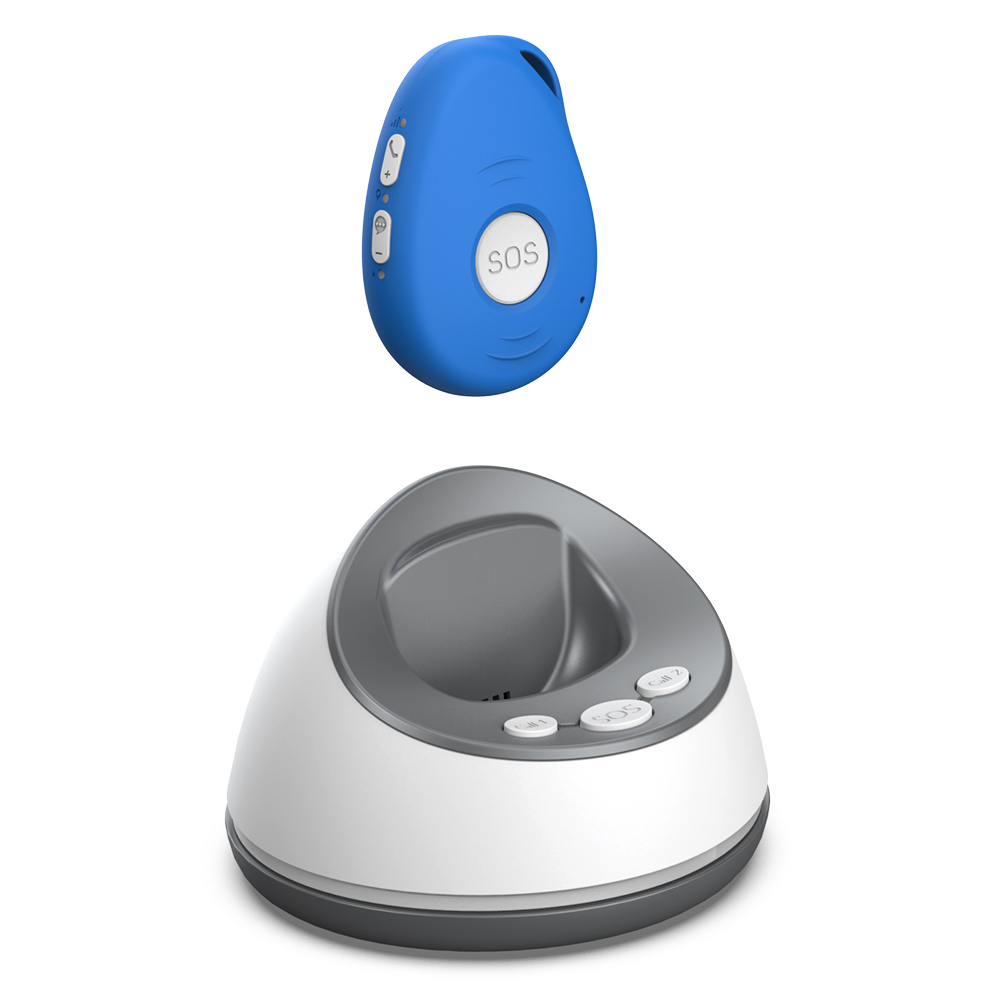
In my experience, the real value of these systems is not just the technology. It is the confidence they restore. Knowing that help is a button press away, or better yet, that it will come automatically if you cannot press the button, allows you to live your life without fear. That is something every older New Zealander deserves.
Familyr provides personal medical alarms for seniors in New Zealand with SOS, GPS, fall detection, and family-monitored two-way calling. You can contact them at 14 Grand View Road, Remuera, Auckland 1050, New Zealand, phone +64 9 872 0345.